
Table of Contents
YEP and Variations
— Ryla Cantergiani 2020/04/10 22:18
Description
YEP is liquid yeast culture media. YEP does not have glucose, meaning it does not have any food in it. To add food, add 2% glucose to the YEP, making it YEPD. Always label whether you have made YEP or YEPD.
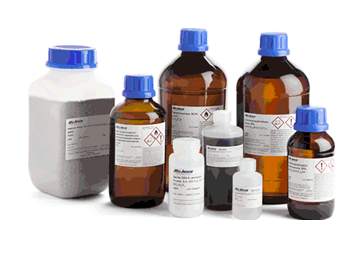 [Insert image of media here. To do this, take a picture of the reagent on the shelf, save it on to the shared computer 'mccormicklab1>Wiki-Documents and Figures> Pictures for WIki with a file name of “nameofmedia-image.png” . Select “Add images and other files” from above and upload your image. When the Link Settings tab pops up, select “Direct link to original”, “Align the image on the right” and “Medium Version”, then click insert. You may have to mess with the size. ]
Location: Shelf ???
[Insert Image of lab location here. To do this, take the template of the lab, that is in the wiki folder, and add a red dot in the location of the reagent using InkScape. Export the image to the dropbox folder 'mccormicklab1>Wiki-Documents and Figures> Pictures for Wiki….> Reagents' With the file name of “nameofmedia-map.png”. Then, add the image by selecting “Add images and other files” from above and upload your image. When the Link Settings tab pops up, select “Direct link to original”, “Align the image on the right” and “Medium Version”, then click insert. ]
Notes and Warning:
Media Recipe and Directions
Liquid YEP
- Grab a beak the same volume as media you intend to make (1L beaker for 1L beaker)
- You can only do this because YEP is autoclaved in bottles, not the beaker.
- Fill the beaker with about 1/4 the water. Add a stir bar.
- Add Bacto Peptone and Bacto Yeast Extract. Stir until all lumps are removed.
- Turn off stirring and add the rest of the water until you reach your intended volume.
- Pour into autoclavable glass bottles. 1 L bottles can be filled to the 900 mL mark. Use a 250 mL for the rest.
- Autoclave.
- If making YEPD, add 2% glucose using pipet aid and stripette.
| Reagents | Final Volume | |||
|---|---|---|---|---|
| 500mL | 1L | 2L | 3L | |
| Bacto Peptone | 10g | 20g | 40g | 60g |
| Bacto Yeast Extract | 5g | 10g | 20g | 30g |
| milliQ H2O | 500mL | 1000mL | 2000mL | 3000mL |
| 50% glucose (if making YEPD) | 20mL | 40mL | 80mL | 120mL |
| Equipment |
|---|
| Beaker |
| graduated cylinder (1000mL) |
| stir bar |
| glass bottles |
| pipet aide |
| stripette |
YPD Plates
- Grab a beak the same volume as media you intend to make (1L beaker for 1L beaker)
- You can only do this because YEP is autoclaved in bottles, not the beaker.
- Fill the beaker with about 1/4 the water. Add a stir bar.
- Add Bacto Peptone and Bacto Yeast Extract. Stir until all lumps are removed.
- Turn off stirring and add the rest of the water until you reach your intended volume.
- Pour into autoclavable glass bottles. 1 L bottles can be filled to the 900 mL mark. Use a 250 mL for the rest.
- Autoclave.
- Near the end of the autoclave time, set out large plates. 1 L makes approx. 40 plates. Make sure to ethanol and wipe down your bench before setting out your plates. Stripe plates with a single black stripe (to signify glucose has been added)
- Add 2% glucose using a pipet aide and stripette.
- Near a flame, use a pipet aid and stripette to pour 25 mL of molten media in each plate. Cover immediately. Make sure to remove any bubbles by hovering your stripette tip over the bubble. Let solidify overnight, then bag and store in large 4C fridge.
| Reagents | Final Volume | |||
|---|---|---|---|---|
| 500mL | 1L | 2L | 3L | |
| Bacto Peptone | 10g | 20g | 40g | 60g |
| Bacto Yeast Extract | 5g | 10g | 20g | 30g |
| agar | 10g | 20g | 40g | 60g |
| milliQ H2O | 500mL | 1000mL | 2000mL | 3000mL |
| Add After Autoclaving | ||||
| 50% glucose | 20mL | 40mL | 80mL | 120mL |
| Equipment |
|---|
| Beaker |
| graduated cylinder (1000mL) |
| stir bar |
| glass bottles |
| large plates |
| pipet aid |
| stripette |
Plate Pouring and Storage instructions
Each liter of media makes about 40 large plates. Large plates have 25 mL of media in them. They can be stored in the large 4C fridge.
Plate Color code
Since glucose is added, plates get a single black stripe.